
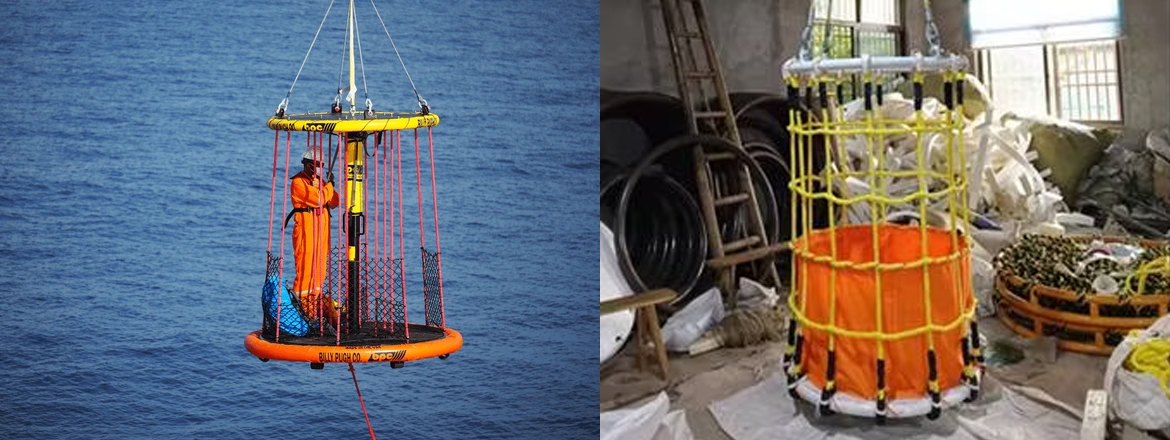
Billy Pugh vs. Generic Transfer Baskets: Which is the Better Offshore Transfer Solution?
Offshore crew transfer is a key operation in the oil and gas industry, when the safety, efficiency and reliability can never be compromised. There are several appliances in the transferring workers to and from boats and platforms area which are not very well suited for one reason or another, and of which the personnel transfer basket is one of the most important. Billy Pugh transfer baskets and generic transfer baskets are two popular choices in the market. Although they are both designed to do similar tasks, there are important distinctions that sets them apart when it comes to design, safety as well as performance. In this article, the comparisons between Billy Pugh and generic transfer baskets are discussed to aid offshore operators in decision-making.
The Billy Pugh Transfer Baskets Legacy
The Billy Pugh Company has been designing and manufacturing offshore personnel transfer baskets for more than 40 years and is a world leader in the provision of offshore baskets from its manufacturing facilities in the US. The company is renowned as the originator of the highly successful X-904 and X-800 series personnel baskets and established the benchmark for offshore personnel lifting product performance. They have been employed in personnel transfers throughout the world in thousands of successful transfers and are a first-choice piece of equipment on rigs owned by most oil majors.
The product is built with years of safety research and operational feedback, becoming an industry standard.
What Are Generic Transfer Baskets?
Non-branded transfer baskets are typically made locally or are generic versions such as Billy Pugh. Although most meet basic safety requirements and have a similar primary function – transporting personnel between offshore structures – build, materials and quality can be very different. Some owe their design to the Billy Pugh, but without the similar level of manufacturing or certification.
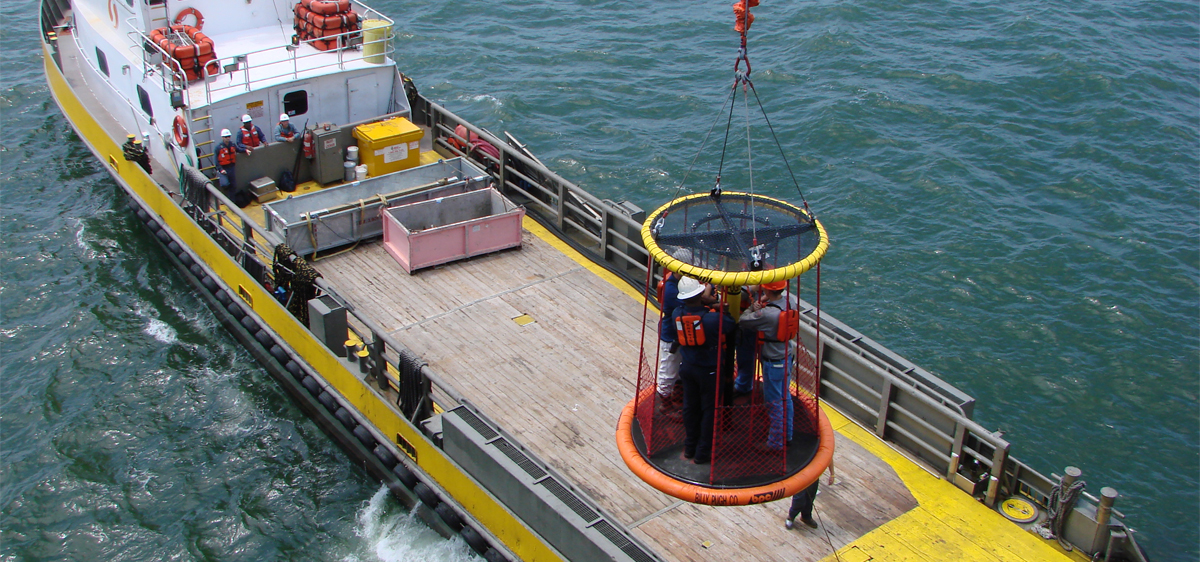
Safety: Billy Pugh Leads with Proven Reliability
Safety is the most important distinction between Billy Pugh and common transfer baskets. Billy Pugh baskets are internationally rated and tested to make certain they perform to the harshest offshore standards. Some of their designs feature:
- Extra sturdy net and tensile ropes
- Cushioning landing systems
- Means to prevent swinging
- Clear visibility and space for emergency retrieval
Some or all of these features may not be present in generic transfer baskets. At the extreme these materials may provide insufficient rigidity or be subject to manufacturing defects and result in accidents during transfer – an unacceptable risk offshore!
Build Quality and Materials
Billy Pugh baskets are made from marine-grade materials designed to withstand saltwater corrosion, UV radiation, and constant handling. The materials employed are chosen because of their robustness and long life in the extreme offshore environment.
Generic baskets, on the other hand, could be made with low-quality steel or non-natural rope that deteriorates more quickly. The welding and connection methods also vary, which will lead to different structural strength of the basket in use.
Certification and Compliance
The thing about our Billy Pugh transfer baskets is, they are certified by the most prestigious classification societies in the world, they include DNV, ABS, and Lloyds Register. Such certifications signal to operators that equipment adheres to international standards for safe and efficient offshore operations.
Some are generic and may have certification and some are not. And if they are, the certification may be limited, or not international. This is where it can be an issue for compliance, especially for international offshore operators that have some strict safety laws.
Cost Considerations: Upfront vs. Lifecycle Value
Standard transfer baskets are generally cheaper, so they appeal to smaller outfits or cost conscious projects. But such cost advantage could be deceptive in the light of long-term use.
Usually, with Billy Pugh baskets, there is a more attractive total cost of ownership. Speaking of risk, they are sturdy units with a reliable history, meaning your chances of a fall are lower and you won't need to replace them as often. In safety critical applications, such as processed foods, the savings of buying a less expensive product is dwarfed by the expense of an accident or product breakdown.
Brand Reputation and Support
When you purchase a Billy Pugh basket, you’re not just buying equipment — you’re tapping into a solid base of support. The company provides training materials, replacement parts and customer service services specifically designed for the offshore industry.
There is a wide range for the generic basket producers. Some are very well supported, whereas others lack documentation, after sales support and traceability. This is an issue when working in remote or high-risk offshore areas.
User Experience and Industry Adoption
Feedback from offshore workers and logistics teams consistently favours Billy Pugh baskets for their stability, comfort, and ease of use. The spacious platforms, handholds, and balanced suspension design create a safer and less stressful transfer experience.
Nonspecific baskets can seem insecure, particularly in heavy seas or high winds. Bad design can cause you to swing too much when you get in and out, have hard landings, or even difficulty getting in and out of it – and therefore all of these factors can increase the likely hood of pain and/or injury.
Conclusion: A Clear Winner in Safety and Performance
Both Billy Pugh and generic personnel transfer baskets have similar basic functions but Billy Pugh is by far the better choice when it comes to safety, quality and industry name recognition. On offshore projects, where lives are at risk, there can be no shortcuts when it comes to the generic equipment.
Selecting a Billy Pugh transfer basket is more than a purchase of equipment it’s an investment in the safety, dependability, and professionalism of your offshore operation.

- Choosing Liferaft & Marine Safety Equipment According to Your Needs
- How to get the Best Value for Money for Your Marine Safety Products
- PPE Personal Protective Equipment Supplier
- Marine Ship Supply
- How to Choose a Personnel Transfer Basket in Malaysia
- Billy Pugh vs. Generic Transfer Baskets: Which is the Better Offshore Transfer Solution?
- Pyrotechnics Malaysia: Safety, Applications and Industry Insights
